
Retrofit of a Traditional 1930s Semi-detached House
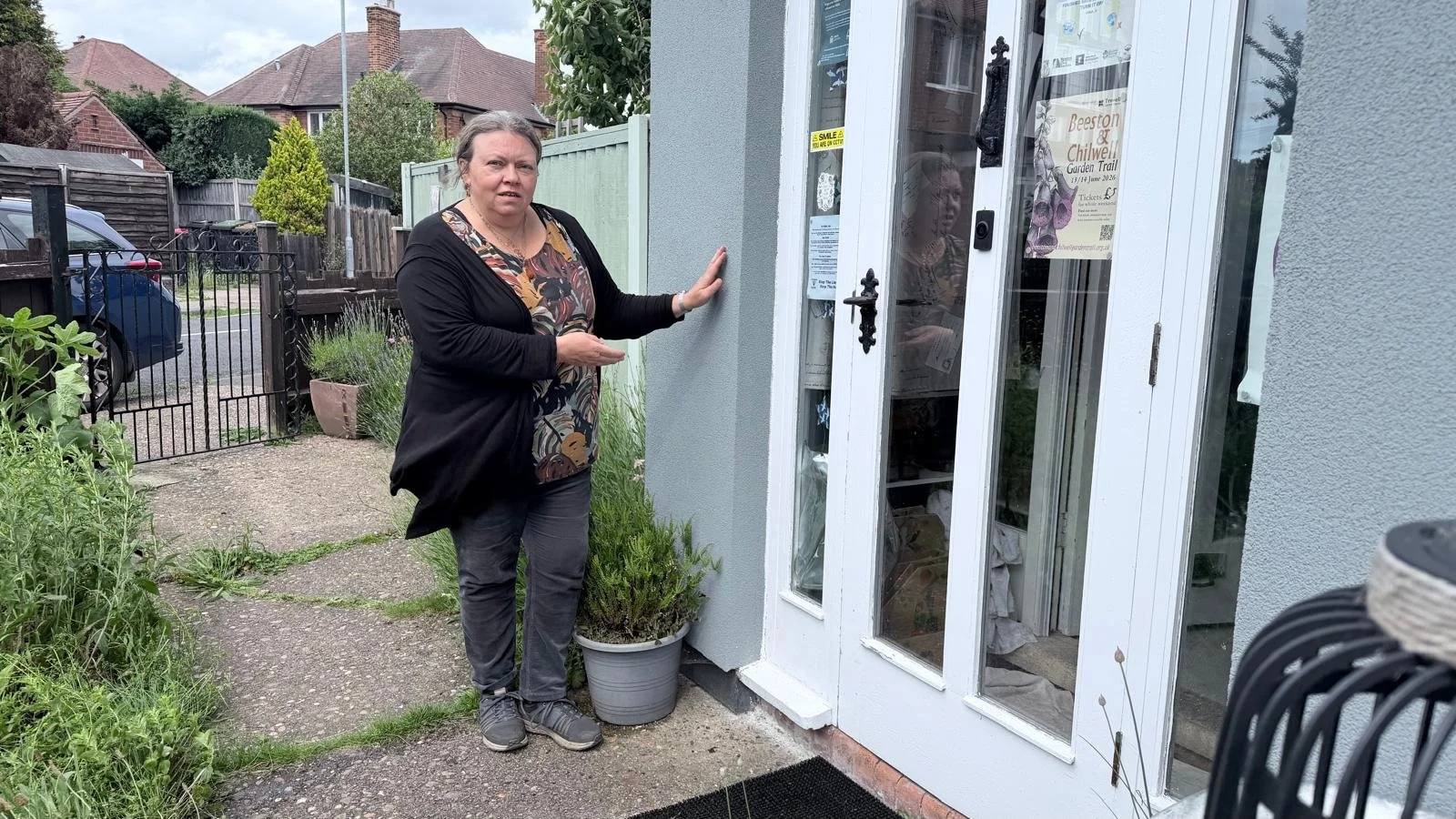
The K family
Were very impressed by the thorough assessment NEP conducted, the additional tips and savings identified and the comprehensive report provided.
Introduction
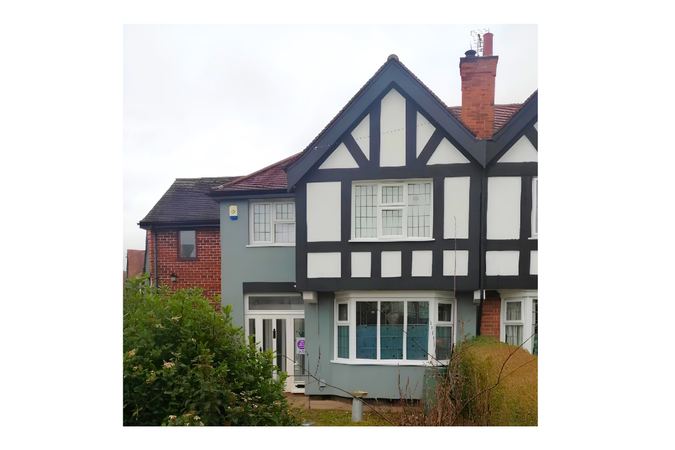
The K family have lived in their traditional 1930s three-bedroom semi-detached house with solid brick walls in Beeston, Nottingham for over 35 years and have completed many changes over the years.
In 1999 they built a two-storey extension with insulated cavity walls. Over the years, they also invested in double glazing the old house, installing 16 Photovoltaic Solar Panels and later adding an 8 kWh house battery.
The retrofit journey
In 2023, an informal thermal imaging survey helped the K family see where heat was being lost from the older part of the house.
They started making practical improvements, including installing thermal roller blinds in all bedroom window recesses, fitting heat reflective foil behind radiators, sealing draughts around the old house, and lagging exposed heating pipes in the bathroom airing cupboard and downstairs hall cupboards.
They also installed internal magnetic letterbox closers, hung lined curtains inside the back and garden doors, caulked the gaps between the skirting boards and floorboards on the ground floor, and fitted thermal underlay and carpet in the downstairs hallway and understairs cupboard.
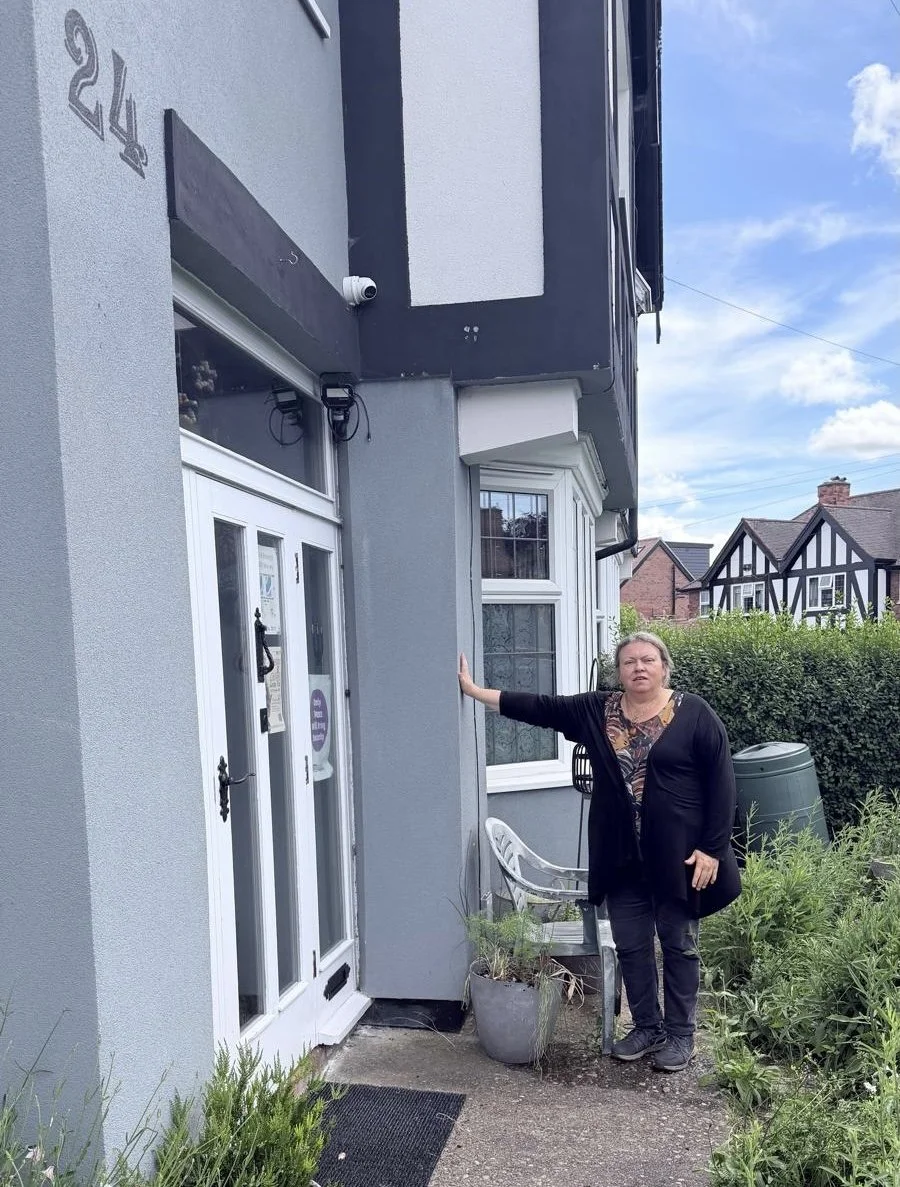
Their biggest project was external wall insulation, which was fitted around the Mock Tudor frontage and side of the older part of the house. This helped the solid brick walls hold on to warmth more effectively, making the home feel more comfortable.
All the insulation and draught-proofing methods are also effective in keeping the house cooler in the heat without the use of energy-guzzling air-conditioning, so the improvements mitigate against both the heat and the cold of the increasingly extreme weather patterns.
Recommended Measures
NEP then carried out a Retrofit Assessment, which identified further opportunities to save energy.
The assessment showed that the K family could benefit from a loft insulation top-up, bringing their older DIY loft insulation up to a modern standard. NEP helped organise a grant to support this work.
The Future Fit Home Energy Plan also gave the family further guidance for future improvements, including underfloor insulation in the bedrooms.
Outcomes
After the loft insulation top-up, the assessor returned to complete the home’s first EPC (Energy Performance Certificate)in August 2024 with an EPC score of 77, C rating.
The K family have also seen a significant reduction in the amount of energy they need to import from the grid. Their combined annual gas and electricity use from the grid reduced from 11,658 kWh in 2012 to 3,035 kWh in 2025.
That is a 74% reduction in imported energy (Gas and electricity)
Based on the information and guidance provide in NEP’s Future Fit Home Energy Plan they now have further projects to implement such as underfloor insulation in the bedrooms (two are done, two to go), which were done at the same time as relocating the radiators away from under the windows and laying new thermal underlay and carpets. They have also started using the eco programmes for the washing machine and dishwasher and ‘drying’ the clothes on a clothes horse with the help of a dehumidifier, which is much more energy efficient than a tumble dryer and avoids damp building up in the house.
Wider impact
The K family’s home is now part of Greening Beeston’s EcoTrail-NG9.
The trail showcases local energy efficient properties, allowing people to visit on foot or explore online. Homeowners share the changes they have made, the benefits they have seen and the lessons they have learned along the way.
Their story shows that retrofit does not have to happen all at once. A combination of larger measures, smaller DIY improvements and clear advice can all work together to make a home warmer, more efficient and more comfortable.
You can learn more about Beeston’s EcoTrail-NG9 and get inspired by visiting beestonecotrail.