
Retrofitting a 1946 Bungalow
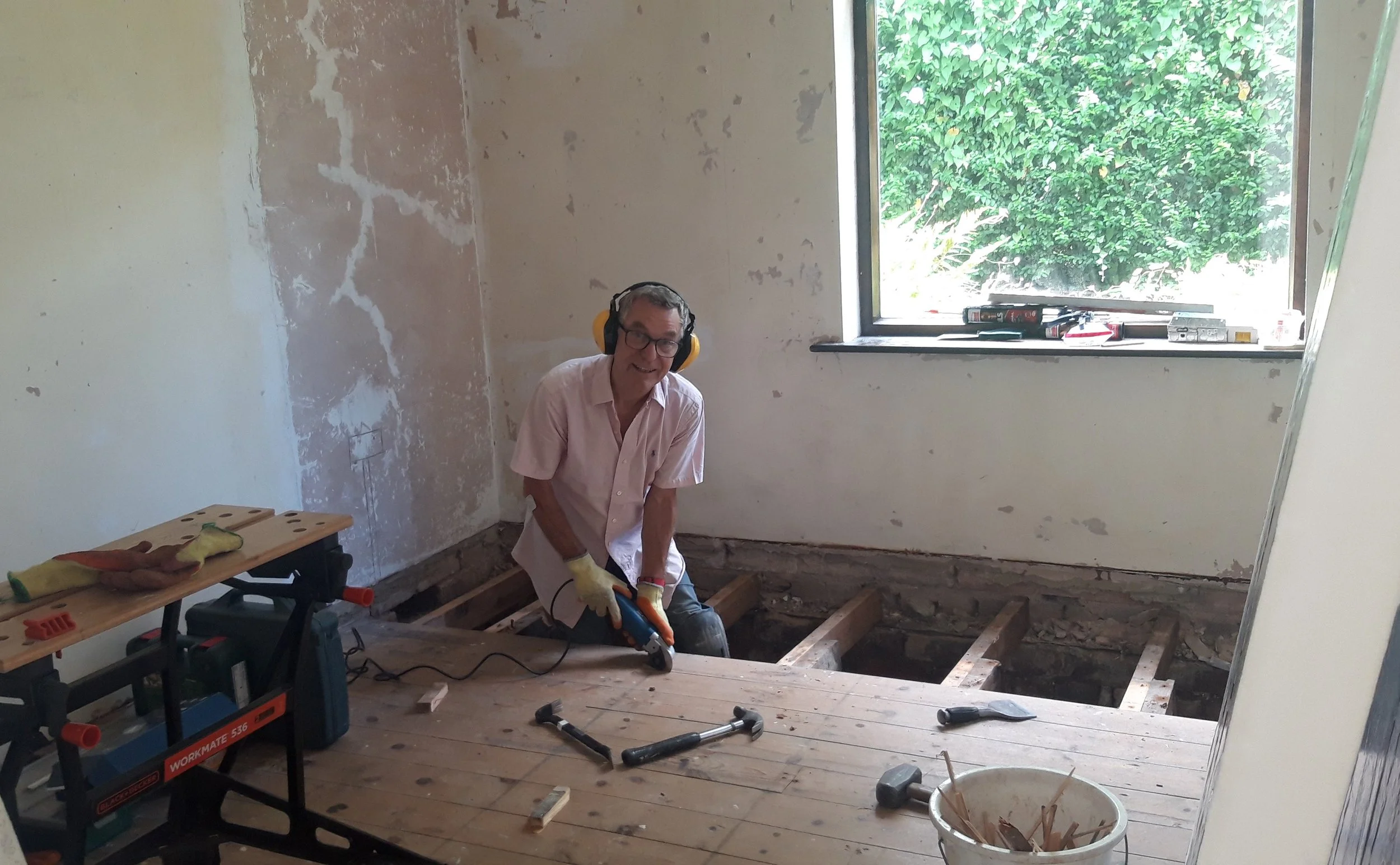
Mike and Sue Spencer
Mike and Sue Spencer have lived in their home for over 40 years, during which time they have undertaken extensive improvements to their 1946-built bungalow.
Introduction to Retrofit Journey
The improvements have included loft insulation, sealed-unit double glazing in wooden frames and, more recently, photovoltaic (PV) solar panels.
While the loft insulation has stood the test of time and continues to meet present-day standards, the double glazing had begun to deteriorate. Combined with the need to address the last remaining external solid double-brick wall, this led Mike and Sue to conclude that further improvements were needed to increase the home's energy efficiency.
In 2020, they embarked on a major extension to the front of the property, incorporating high levels of wall, floor and roof insulation, along with modern double glazing. Once the project was completed, they were so impressed by the noticeable improvement in heat retention that they decided to upgrade the remainder of the bungalow.
Around the same time, they became aware of Nottingham Energy Partnership and signed up for a Retrofit Assessment and Home Energy Plan at one of our energy advice events.
Recommended Measures
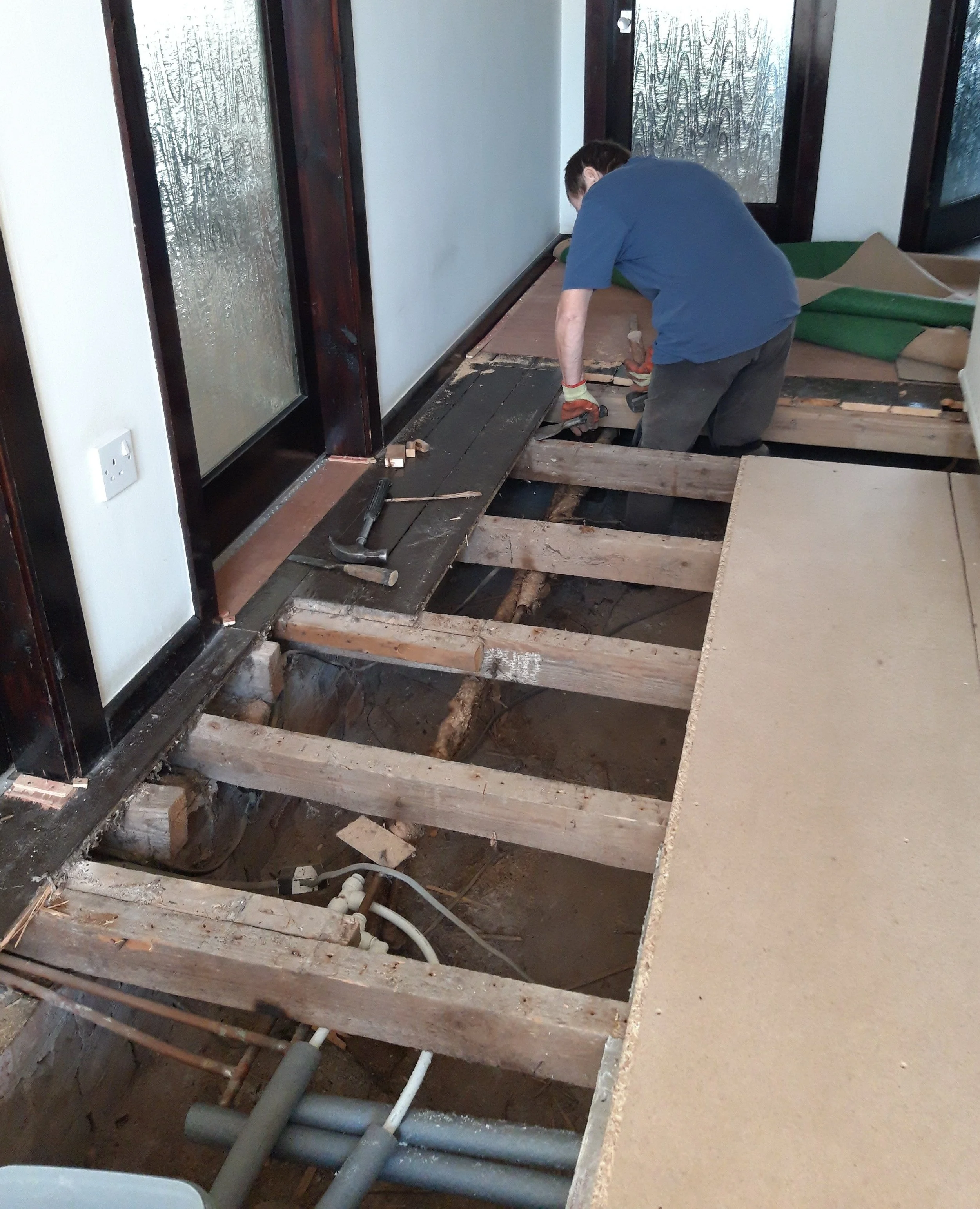
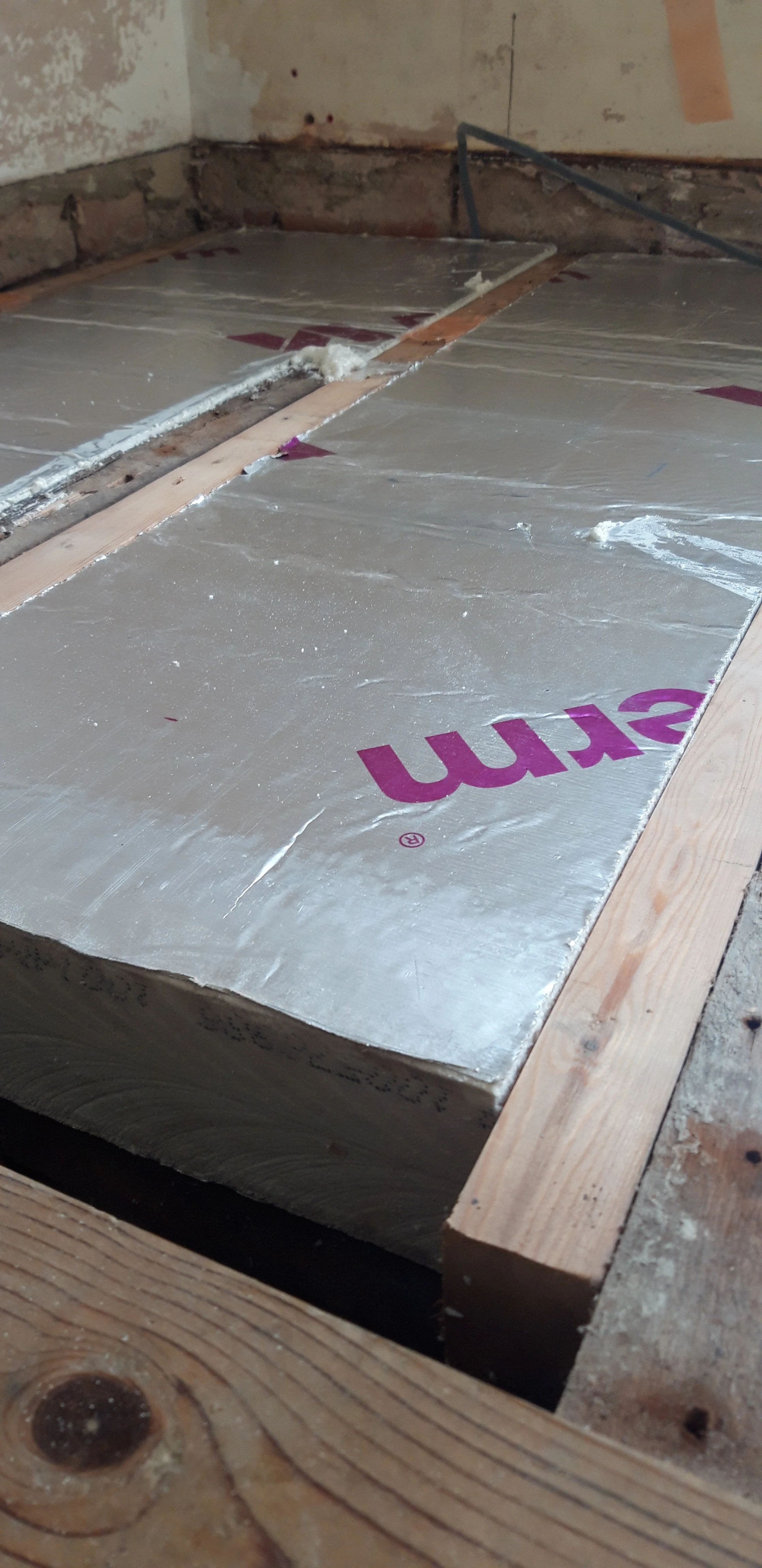
Mike and Sue were particularly impressed by the time taken to assess their home and the comprehensive report that followed. Using the information and guidance provided in NEP's Future Fit Home Energy Plan, they have since replaced all the old sealed-unit glazing, undertaken almost all of the underfloor insulation themselves, and engaged professionals to insulate and replaster the internal walls and ceilings.

Outcomes
As each room is completed, the improvement in ambient temperature becomes increasingly noticeable. The new radiators, fitted with thermostatic controls, now operate on their lowest setting for all but the coldest days, demonstrating the benefits of the insulation and glazing improvements.
Before the significant rise in energy prices, the property's solar PV panels meant that their energy bills were virtually neutral. Although the increase in gas prices subsequently affected their running costs, the insulation and glazing improvements have helped to limit the impact. Mike and Sue estimate that their energy costs are now less than 50% of what they would have been without the improvements. They also expect further savings once the remaining upgrade work is complete.
The final stage in reducing the property's energy consumption will be a small extension and modernisation of the kitchen. Once again, Mike and Sue plan to incorporate the energy-saving features recommended in NEP's report.
Wider impact
Their home is now part of Greening Beeston's EcoTrail-NG9, a trail of energy-efficient local properties that people can explore on foot or online. Homeowners share their experiences in their own words, describing the energy-saving improvements they have made, the benefits they have gained and any challenges they have encountered. The properties featured showcase a range of measures, from simple, low-cost actions to more complex and expensive projects.
Find out more: www.ecotrail-ng9.uk